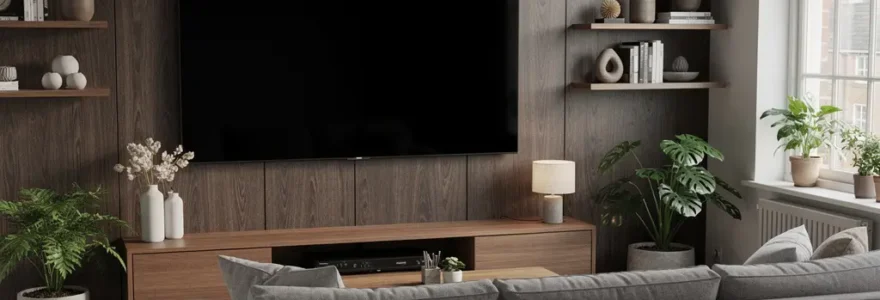
Stripped-back Victorian terrace. Statement feature wall. Zero maintenance for a decade. These are the promises bringing wood plastic composite into UK homes—but does reality match marketing? Having guided property owners through material choices across hundreds of renovation projects, I’ve witnessed both spectacular successes and costly failures with WPC. This guide cuts through manufacturer claims to reveal what actually performs on site, where the technology genuinely excels, and the situations where you should consider alternatives.
WPC wall panels: what you need to know in 30 seconds
- WPC blends recycled wood fibres with polymer—creating closed-loop manufacturing potential
- Typical lifespan reaches 20-25 years versus 10-15 for untreated timber
- Installation costs run 30-50% lower than equivalent hardwood cladding
- Moisture resistance varies significantly by product grade—verify before wet-area use
- Best suited for feature walls, hallways, and rental properties; less ideal for direct heat exposure
What Makes WPC Different from Traditional Wall Materials
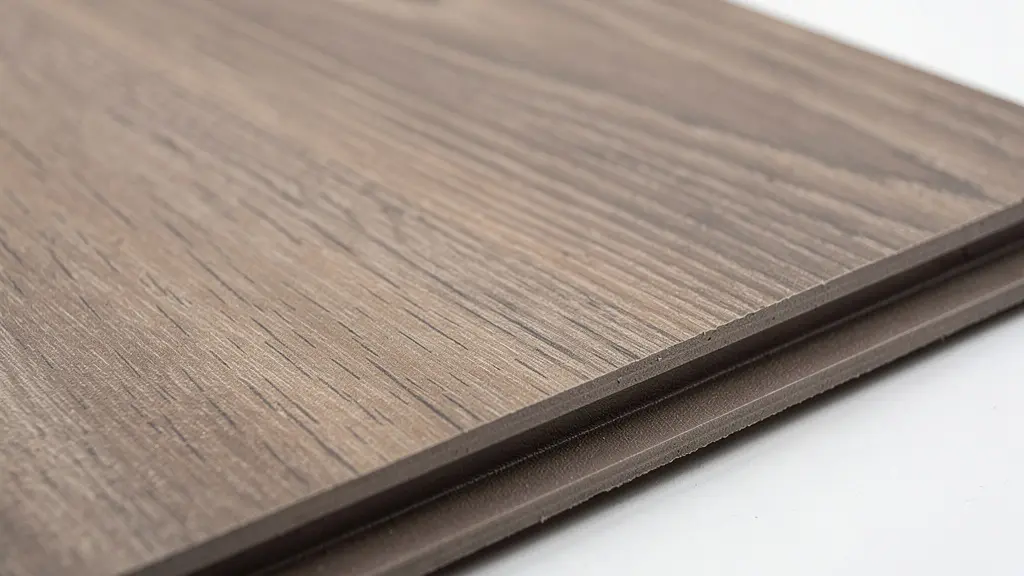
The composition matters more than most suppliers admit. WPC combines wood fibres—often from sawmill waste—with thermoplastic polymers, typically polyethylene or polypropylene. According to sustainable materials analysis from PHD Associates, composite boards made from recycled wood fibres and plastics offer genuine durability advantages, and these materials can be recycled again into composite boards, creating closed-loop manufacturing. That recycling potential sets WPC apart from virgin timber or standard PVC.
The UK construction context shapes how these materials perform. As industry data from Composites UK confirms, the UK construction industry accounts for around 7% of GDP and generates over £90 billion gross value added annually. Within this market, composite materials are gaining traction precisely because property professionals need solutions that reduce callback frequency. Sourcing matters too—working with established B2B suppliers like xhwood.com provides documented quality control that smaller importers cannot match. My strong opinion here: specification shortcuts cost more than they save.
| Material | Durability | Moisture handling | Maintenance | Eco credentials |
|---|---|---|---|---|
| WPC panels | 20-25 years | High (grade-dependent) | Wipe clean only | Recycled content, recyclable |
| Hardwood timber | 30+ years (with care) | Variable (requires sealing) | Annual treatment | Sustainable if certified |
| PVC panels | 15-20 years | Waterproof | Minimal | Limited recyclability |
| MDF panels | 10-15 years | Poor (swells when wet) | Painting required | Formaldehyde concerns |
The table reveals why rental property managers increasingly specify WPC: the maintenance column matters when you’re managing eight properties, not one. Real wood looks magnificent. It also demands annual attention that tenants rarely provide.
Practical Applications That Actually Work
Feature walls deliver the strongest return on WPC investment. The material excels where visual impact matters and moisture exposure remains moderate—think living room statement walls, hallway cladding, and bedroom headboard surrounds. When exploring ideas for wall decorations, WPC offers a middle path between the warmth of timber and the practicality of painted surfaces. Skip the theory. Here’s what happened on an actual project.
Marcus’s rental conversion: Victorian terrace to modern flats
I consulted on this project in Bristol during 2023. Marcus, 47, was converting a Victorian terrace into three rental flats. His challenge was finding durable, low-maintenance wall cladding for communal areas—hallways and stairwells that tenants would inevitably scuff, mark, and ignore.
The initial quote for real wood panelling exceeded his budget by 40%. Hardwood looked beautiful but the numbers didn’t work for rental yield calculations. We switched specification to WPC cladding with a dark oak grain finish.
The outcome: Installation completed in three days instead of the projected week for timber. Tenants moved in two weeks ahead of schedule. Eighteen months later, the panels show zero maintenance issues despite daily foot traffic.
That timeline reflects what I see consistently across projects. Fast turnaround. Predictable results.
-
Wall preparation: battens fitted, surfaces levelled -
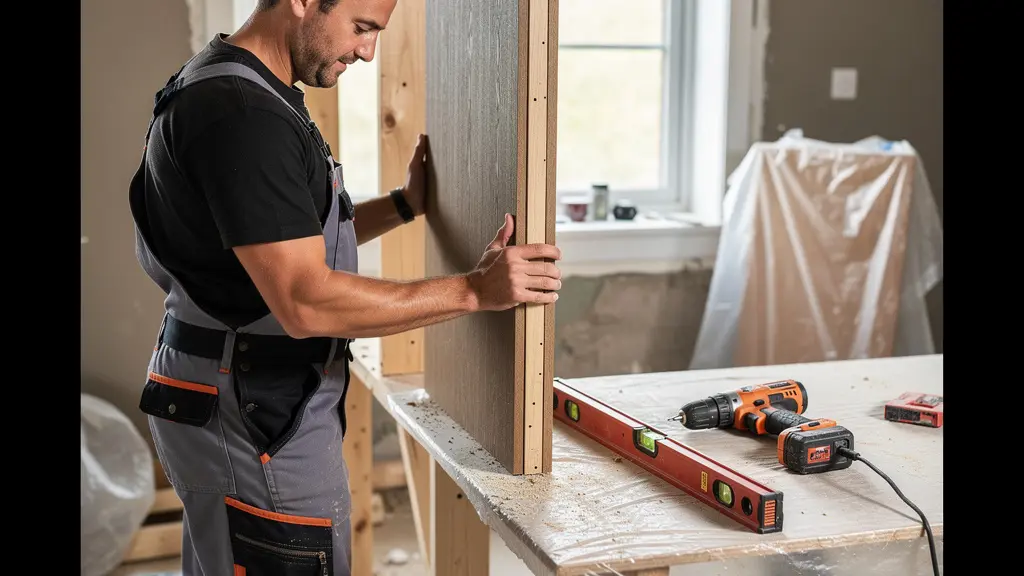
Panel cutting, fitting, and clip system installation -
Edge trims, corner profiles, and finishing details -
Final inspection, snagging, and handover
The Honest Drawbacks You Should Know About
Where WPC falls short—and when to avoid it entirely
WPC is not universally suitable. Direct heat exposure (radiator surrounds, fireplace adjacency) causes expansion issues. Ultra-budget panels from unverified suppliers often deliver disappointing colour consistency. And here’s what manufacturers rarely mention: fire ratings vary dramatically between products—always verify the specific classification meets Building Regulations requirements for your application.
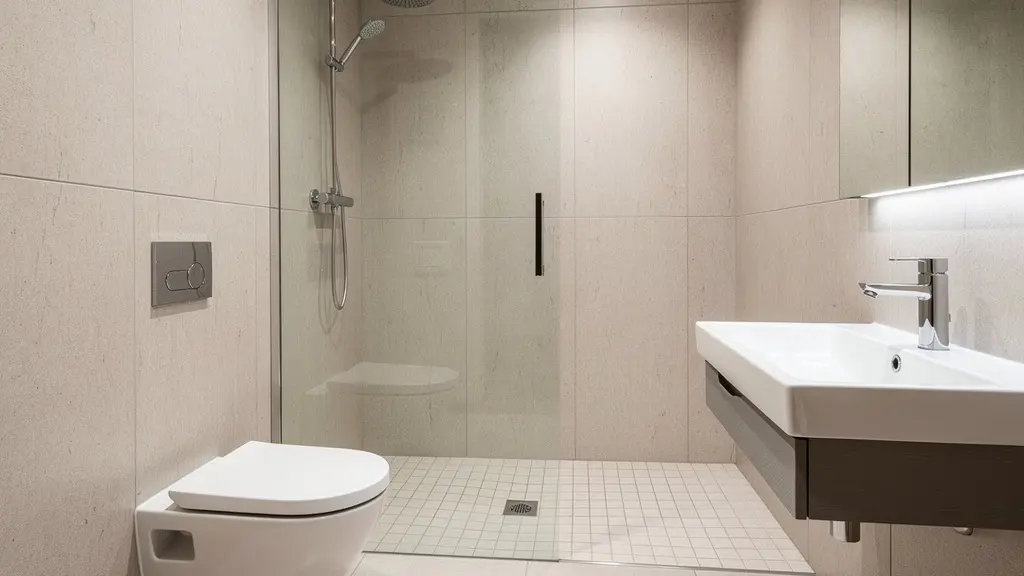
The most expensive mistake I encounter involves bathrooms. In my consultancy work across South East England—roughly 30-40 renovation projects annually since 2020—I regularly see homeowners who selected standard WPC panels for high-humidity bathrooms without verifying moisture-resistance grades. The result? Visible warping within six to twelve months. Replacement costs run between £800 and £1,500 per bathroom. This observation applies specifically to my region and client profile; results vary depending on humidity levels, ventilation quality, and panel specifications selected.
Cost positioning deserves honest discussion. According to analysis from Wall Panels World, wall panelling costs in the UK range from around £15 per square metre for basic MDF to over £200 for premium hardwood, with total installed costs spanning £40 to £225 per square metre. WPC sits in the middle—typically £25-50 per square metre for materials. Not the cheapest option. But factor in reduced maintenance over a decade, and the lifetime cost calculation shifts.
Your Questions About WPC Wall Panels
Does WPC look cheap compared to real wood?
Quality varies enormously. Budget panels from unverified sources often show repetitive grain patterns that look artificial from any distance. Premium WPC with embossed textures and varied grain reproduction genuinely fools visitors—I’ve had clients’ guests ask which timber species they chose. The difference lies in manufacturing quality, not the material category itself.
Can I install WPC panels in my bathroom?
Yes, but only with specifically rated moisture-resistant grades. Standard WPC panels will absorb humidity and warp—I’ve seen this repeatedly. Always request technical specifications confirming suitability for wet environments. Ventilation quality also matters; even rated panels struggle in bathrooms with inadequate extraction.
How long do WPC panels actually last?
Manufacturers typically claim 20-25 years, and real-world performance supports this for quality products correctly installed. The variables are UV exposure (prolonged direct sunlight accelerates fading), installation accuracy (poor fitting causes edge lifting), and cleaning products used. Avoid harsh chemicals; warm soapy water maintains the surface.
Is WPC installation a realistic DIY project?
Clip-based systems simplify the process considerably, and confident DIYers with basic carpentry skills manage successfully. The challenges are precise cutting around obstacles, maintaining level alignment across large spans, and achieving invisible joints. Frankly, unless you’re comfortable with a mitre saw and spirit level, professional installation delivers better results.
Can WPC panels be painted or stained later?
Technically possible with appropriate primer and paint systems, but this defeats a core advantage—the no-maintenance finish. Most WPC surfaces require light sanding to accept paint adhesion properly. If you anticipate wanting to change colours, consider whether painted MDF might better suit your needs from the outset.
The broader question most readers eventually reach: does WPC suit my specific project? The honest answer depends on priorities. For rental properties, communal hallways, and low-maintenance feature walls, WPC delivers genuine value. For heritage restorations or spaces where authentic timber character matters emotionally, real wood remains irreplaceable. When planning your next project, consider how this material fits within your guide to decorating your interior—the best choice aligns your aesthetic vision with practical maintenance reality.