Sarah called me in tears. Three plasterers. Four paint jobs. Eighteen months of mould creeping back across her Victorian terrace walls. The damp-proof course had cost her £2,400, and she was still scrubbing black patches from her bathroom ceiling every few weeks. Her story is depressingly common across properties I see throughout South East England—and it points to a fundamental problem with how we approach wall finishes in challenging environments.
In this article
The Renovation Problems That Keep Coming Back
Working with clients across Surrey and the South East, I notice the same frustrations appearing in nearly every renovation consultation. The walls look fine for a year, maybe eighteen months. Then the problems return. Peeling paint. Bubbling plaster. That unmistakable musty smell that tells you moisture has found its way back in.
The scale of this problem is staggering. According to official damp statistics from GOV.UK, in the two years to March 2023, an average of 4% of households in England had damp in at least one room. That sounds manageable until you realise it represents hundreds of thousands of properties—and that figure only captures those who reported the issue.
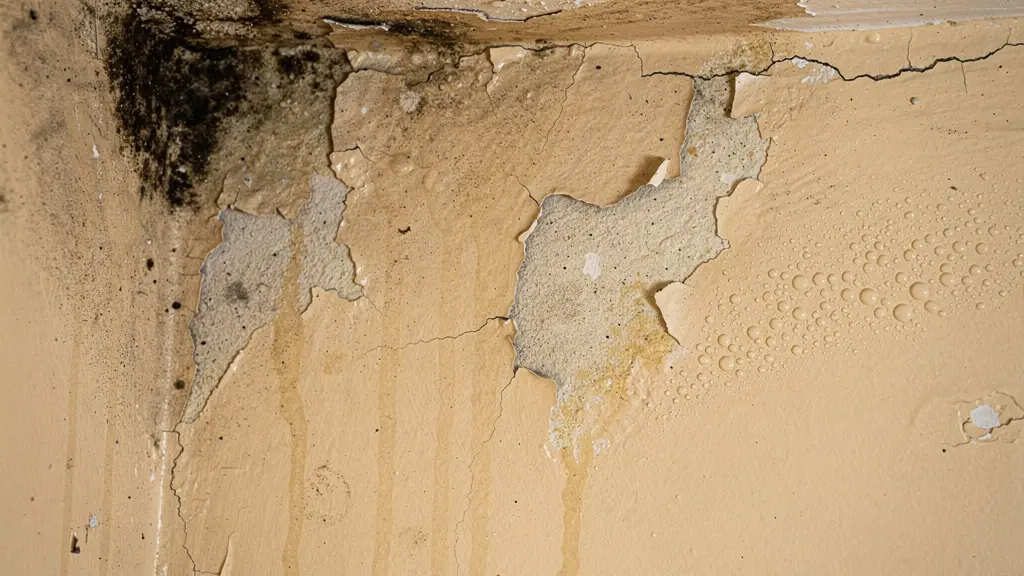
The reality feels worse on the ground. A Health Equals UK housing study from 2025 found that 28% of people in the UK report living in homes with damp, mould or cold. Almost half of those experiencing such issues reported health symptoms as a result. These aren’t just cosmetic problems—they’re affecting how people live.
The most common mistake I see? Homeowners and landlords choosing standard painted MDF or basic plaster finishes for bathrooms and kitchens despite obvious moisture exposure. In my renovation consultancy work across South East England—roughly 35 to 40 residential projects annually since 2021—I consistently watch these choices fail within 18 to 24 months. This observation varies depending on ventilation quality and how intensively rooms are used, but the pattern holds.
Why traditional fixes fail: An average family of four produces around 14 litres of moisture daily just from showering, cooking, drying clothes and breathing. Without materials designed to handle this load, conventional wall finishes simply cannot cope.
How WPC Cladding Addresses Each Challenge
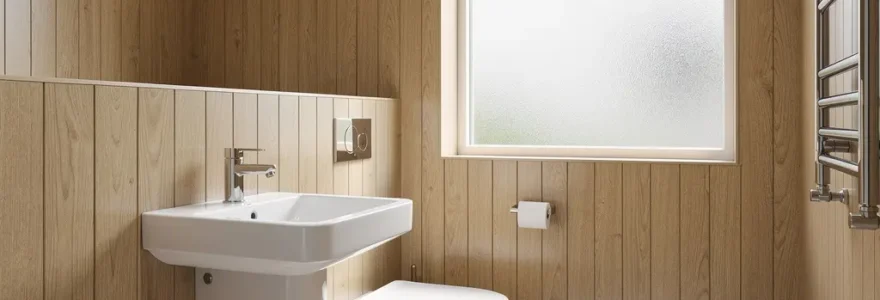
Wood-plastic composite cladding works differently from traditional wall finishes. The material combines wood fibres with plastic polymers, creating a surface that handles moisture without absorbing it. No swelling. No warping. No substrate for mould to colonise.
The projects I’ve consulted on show a clear pattern: WPC performs best in exactly the environments where conventional finishes struggle most. Bathrooms, kitchens, utility rooms, and ground-floor walls in older properties with solid wall construction.
| Renovation Challenge | Traditional Fix | Why It Fails | WPC Solution |
|---|---|---|---|
| Persistent damp patches | Replaster and repaint | Moisture returns through substrate | Non-porous surface prevents absorption |
| Recurring mould growth | Anti-mould paint treatments | Porous materials still harbour spores | Surface resists mould colonisation |
| High maintenance costs | Regular repainting cycles | Paint degrades in humid conditions | Factory-finished, no repainting needed |
| Tenant damage between lets | Repair and redecorate each time | Soft finishes scuff and mark easily | Durable surface withstands wear |
According to WPC lifespan data from manufacturers, most high-quality WPC products can last anywhere from 20 to 30 years with proper maintenance—significantly longer than traditional wood panelling that requires frequent treatments. If you want to explore WPC options further, you can learn more here about available product ranges.
Brighton terrace: from damp disaster to lasting finish
I consulted for Sarah, a 42-year-old property developer in Brighton, on her Victorian terrace conversion in 2024. The ground floor had persistent damp in solid walls despite a professional DPC treatment. Three previous attempts with traditional plaster and paint had failed within twelve months each time.
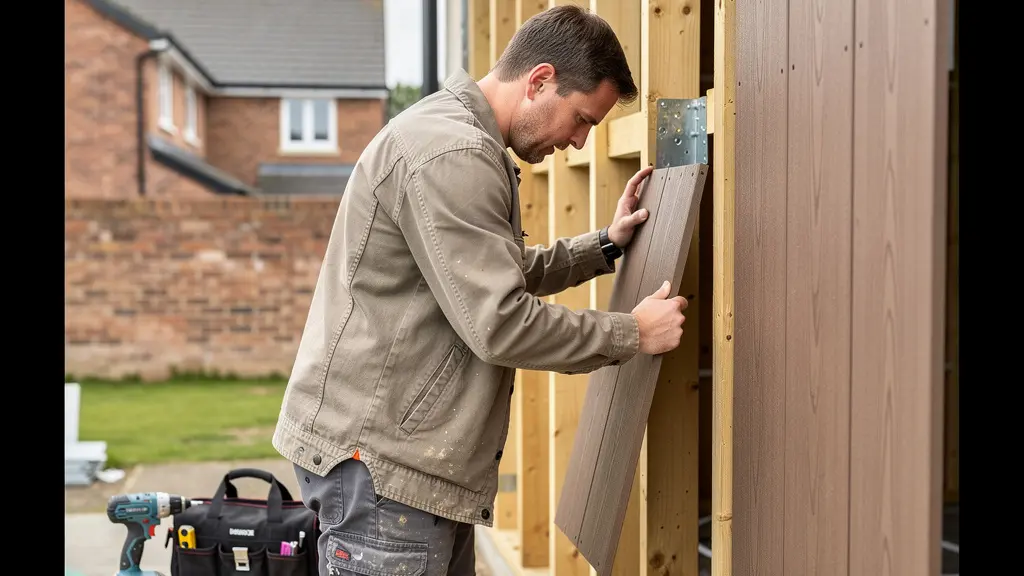
We installed WPC cladding with a ventilation gap behind the panels. The battening system allowed air circulation whilst the WPC surface handled humidity from normal room use. Eighteen months later, no moisture issues, no repainting, no callbacks from her tenant. Total installation took five days for two rooms.
Choosing and Installing WPC for Your Project
Not all WPC is equal. Products vary significantly in quality, thickness, and intended application. The ones designed for interior wall use differ from decking or external cladding grades. Getting this wrong costs time and money.
Soyons clairs: WPC is not the right choice for every wall in your home. For living rooms in period properties where you want authentic plaster detailing, it looks out of place. For feature walls where you want textured paint effects, the uniform panels won’t deliver. WPC works best where durability and moisture resistance matter more than decorative flexibility.
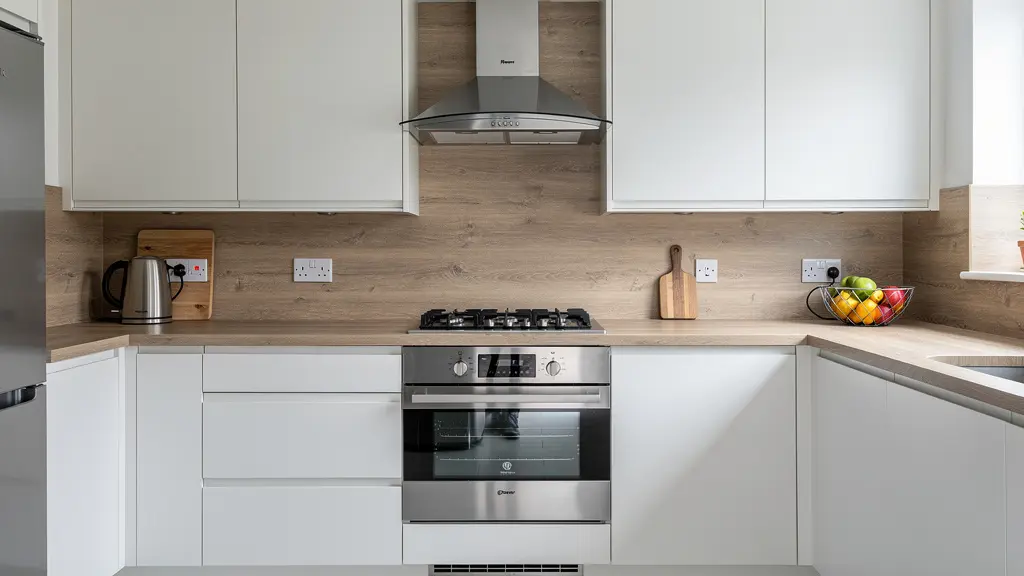
A typical single room renovation covering 15 to 20 square metres of wall follows a predictable timeline from my project experience. Day one covers wall assessment and preparation. Days two and three involve battening and vapour barrier installation. Days four and five are for WPC panel fitting. Day six handles finishing trims and final inspection. This timeline assumes a competent installer working alone—two people can often compress it.
If you’re exploring broader renovation approaches, this guide to ideas for wall decoration styles covers complementary options for other rooms in your property.
Before you buy: WPC selection checklist
-
Confirm product is rated for interior wall use (not decking or external cladding grade)
-
Check fire classification meets Building Regulations for your property height
-
Assess existing wall condition—severe damp may need addressing before cladding
-
Measure total coverage area including reveals and returns
-
Request physical samples to assess colour and finish in your room’s lighting
Your Questions About WPC Wall Cladding
These are the concerns that come up most frequently when I discuss WPC with clients. Addressing them honestly helps you decide whether this material suits your situation.
Does WPC look plasticky or artificial?
Quality varies enormously. Budget products can look unconvincing, but premium WPC with wood-grain embossing and varied colour tones is difficult to distinguish from timber without touching it. Always request physical samples before committing—photos cannot capture texture and finish accurately.
Can I install WPC cladding myself?
If you can hang a shelf level and use basic power tools, you can fit WPC panels. The battening system is the critical part—get that wrong and panels will not sit flat. Most competent DIYers manage single rooms successfully. For multiple rooms or complex layouts, professional installation ensures consistent results.
How long does WPC actually last?
Quality products typically carry warranties of 15 to 25 years depending on the manufacturer. Real-world lifespan often exceeds this—the composite material does not rot, warp, or require the maintenance that limits traditional timber. Colour fading is the main long-term consideration, though modern UV-resistant formulations have largely addressed this.
Is WPC suitable for bathrooms with showers?
Yes, and this is where WPC demonstrates clear advantages over alternatives. The non-porous surface handles direct moisture exposure without damage. Joints should be properly sealed, and extraction ventilation remains essential—WPC resists moisture but cannot eliminate humidity buildup entirely.
What about fire safety and Building Regulations?
Interior wall cladding must meet relevant fire performance standards. According to UK Building Regulations guidance, residential buildings over 11 metres tall face stricter requirements. For most domestic properties, standard interior-grade WPC meets requirements, but always verify fire classification with your supplier for your specific application.
Your next steps for lasting walls
The decision ultimately comes down to what you value most. If you want a surface you can forget about for decades, WPC delivers. If you prefer the flexibility to change colours and textures regularly, traditional finishes still have their place.
I recommend WPC for moisture-prone areas over traditional finishes every time—but not for every wall in your home. Start with the problem rooms: the bathroom that keeps growing mould, the kitchen splashback you scrub monthly, the utility room your tenants keep damaging. Solve those first. Then decide whether you want to extend the approach elsewhere.
For broader renovation guidance beyond wall finishes, these practical tips for your home renovation cover the wider planning considerations that make projects succeed.